



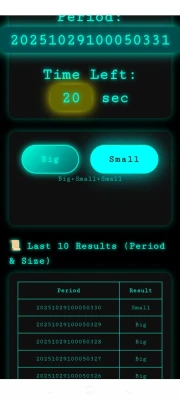
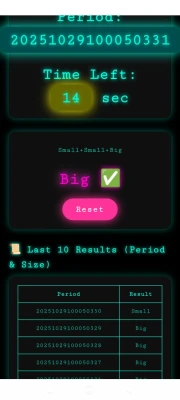
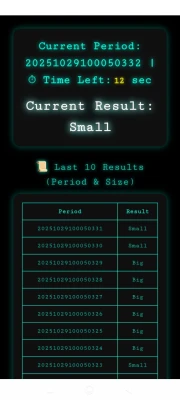
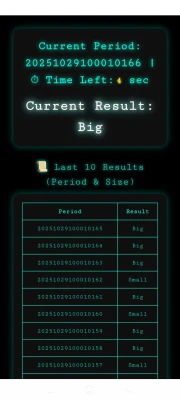
Latest Version
9.8
October 29, 2025
Baloch Hacker
Games
Android
30.09
5,804
92jeeto.hack
Report a Problem
More About 92Jeeto Hack
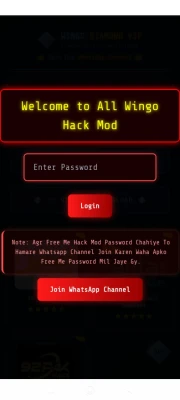
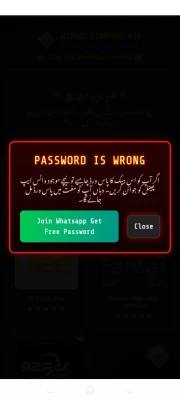
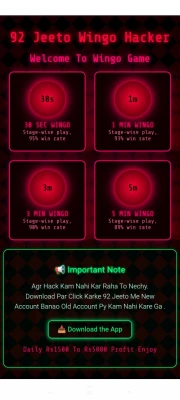
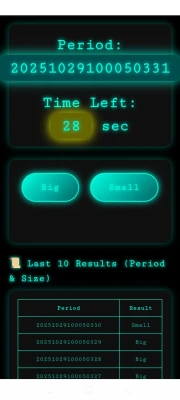
Searches for terms like “92Jeeto Hack Apk Download” are common because people want shortcuts — extra balance, free spins, unlocked features, or guaranteed wins. But the internet is full of bad actors who use this exact language to attract clicks and then infect phones, steal credentials, or commit fraud.
If you’re in Pakistan and considering downloading a hack APK for 92Jeeto or any similar app, this article is written for you. I’ll explain the risks and help you choose safer, legal options to keep your account, phone, and money secure.
2. What people mean by “92Jeeto Hack Apk Download”
When someone searches for “92Jeeto Hack Apk Download,” they usually mean one of the following:
-
A modified Android package (APK) that claims to unlock premium features or give free credits for the 92Jeeto game or platform.
-
A cracked version of an app that bypasses the official servers or grants unfair advantages.
-
A “generator” or “patcher” that promises instant balance, cheats, or prediction tools.
Important: most of these offers are either fake or illegal. Even if an APK seems to “work” at first, it may be harvesting data, showing intrusive ads, or containing backdoors for fraudsters.
3. Why hack APKs are dangerous — real risks explained
Here are the core dangers you need to understand:
a) Malware and data theft
Many APKs labeled as “hack” contain malware — trojans, spyware, banking stealer modules, or remote-access tools. Once installed, attackers can read SMS messages, capture two-factor authentication (2FA) codes, access contact lists, and steal saved passwords.
b) Account compromise and bans
Using modified clients or injecting code into games can violate terms of service. Platforms routinely ban accounts that connect through hacks or cheat tools — meaning you could permanently lose your 92Jeeto account and any balance.
c) Financial fraud and identity theft
APK installers from untrusted sources sometimes bundle permission requests to send/receive SMS or make purchases. Attackers use these capabilities to authorize payments or drain wallets linked to your phone number.
d) Exposure to ads, subscriptions, and popups
Malicious APKs often include adware that triggers continuous popups, unwanted subscriptions, or deeplinks to premium-rate services.
e) Legal risks and civil penalties
Distributing or using modified/cracked apps can expose you and the distributor to legal consequences. While enforcement varies by country, knowingly using software to cheat or defraud can carry penalties.
4. Common scams and how they work
Understanding typical scams helps you spot them fast:
1. Fake APK pages that require your phone number
They prompt you to “verify” with SMS (often to confirm you’re human) — but the number is actually a way to sign you up for premium services.
2. Share-or-survey traps
They ask you to complete multiple surveys, install other apps, or share a referral link. After you do, nothing happens — the scammers earn affiliate commissions, not you.
3. Trojanized legitimate apps
A seemingly normal APK is repackaged with a hidden payload. The app functions but silently copies data.
4. “Crack” instructions that require root access
They tell you to root your Android device to apply a hack. Rooting voids warranties and opens the device to persistent threats.
5. Remote access scams
They ask you to install a remote-control app for “assistance.” That’s an invitation to full device control.
5. Legal consequences in Pakistan (and general advice)
I’m not a lawyer, but here’s practical guidance:
-
Using hacked software to cheat or defraud others may be treated as cybercrime or fraud under Pakistan’s Prevention of Electronic Crimes Act (PECA) and similar laws.
-
Distributing or helping to distribute cracked software is riskier than merely downloading it. Sellers and uploaders face stronger legal risk.
-
Even if enforcement is inconsistent, a civil action or account seizure is possible — and losing access to your balance or profile is an immediate harm.
Best practice: avoid hacks and use official channels. If you need help understanding the rules for a platform, consult their terms of service and local legal resources.
6. How to tell if an APK or website is fake or malicious
Before downloading any APK, check these red flags:
-
The domain is odd (random letters, odd TLDs) or uses subdomains on free hosting.
-
The page has lots of grammar mistakes, unrealistic promises (e.g., “Guaranteed Rs. 10000 daily”), or asks for SMS verification before download.
-
The download link is a cloud storage page with many redirect links.
-
The APK requests dangerous permissions at install (SMS, read contacts, draw over apps, accessibility) that don’t match the app’s function.
-
No information about the developer, or the developer contact is a WhatsApp number only.
-
Search results show user reports calling the file “malware,” “virus,” or “scam.”
If you see any of these — don’t download.
7. Protecting your device and data — step-by-step safety checklist
Follow this checklist to stay safe:
-
Install only from trusted sources: Google Play is the safest; official websites are next. Avoid unknown third-party stores.
-
Check app permissions: Before installing, look at the permissions. If a game asks to read SMS or access your wallet, that’s suspicious.
-
Use Play Protect and an antivirus: Keep Play Protect on and run a reputable mobile antivirus scan.
-
Avoid rooting: Rooting invalidates platform protections and opens the OS to persistent malware.
-
Enable two-factor authentication: For accounts that support it, enable 2FA via authenticator apps, not SMS if possible.
-
Back up important data frequently: Use encrypted backups so you can restore if an account is compromised.
-
Use a unique password and password manager: Avoid reuse of credentials across apps.
-
Check app signatures: Advanced users can compare APK signatures with the official app to spot tampering.
-
Be suspicious of “free” promises: If it sounds too good to be true, it usually is.
-
Keep OS and apps updated: Security patches close known exploits.
8. Legitimate ways to get more from 92Jeeto (safe alternatives)
If your goal is to enjoy the platform responsibly, try these legal options:
A. Official promotions and referral programs
Many gaming platforms run referral offers, sign-up bonuses, and seasonal promotions. Use official channels or their verified social accounts to learn about real bonuses.
B. In-app purchase discounts & offers
Check for in-app bundles or payment method promos (bank partners, mobile wallets) that provide bonus credits.
C. Community groups and tournaments
Join verified Facebook groups, Telegram/WhatsApp channels run by moderators, or official community contests. They often post legal tips and occasional giveaways.
D. Use demo or practice modes
If available, practice modes let you learn the game mechanics without real money.
E. Responsible bankroll management
Set a limit and stick to it. That keeps the game fun and reduces pressure to look for shady shortcuts.
9. If you already installed a suspicious APK — immediate steps to take
If you or someone you know installed a suspicious APK, take these steps now:
-
Disconnect from the internet (Wi-Fi / mobile data) to prevent remote commands or data exfiltration.
-
Uninstall the app immediately from Settings → Apps. If the app resists uninstall, it may have device administrator privileges — revoke them first.
-
Change passwords for accounts you used on the device (email, social, payment apps). Use another safe device to change them.
-
Check for unknown accounts or transactions on your linked bank, wallets, and mobile billing. Report unauthorized charges to the bank and mobile operator.
-
Run a full antivirus scan with a reputable mobile security app.
-
Factory reset only as a last resort — if malware persists or you suspect deep compromise. Back up important files first (but don’t back up APKs or executables).
-
Report the scam — to the platform (if your account was affected) and, in Pakistan, local cybercrime authorities if you faced financial loss. Keep screenshots and transaction IDs.
10. FAQ — short answers to common search queries
Q: Is “92Jeeto Hack Apk” safe?
A: No. Hack APKs are frequently malicious or fraudulent. They often steal data, enable unauthorized billing, or result in account suspension.
Q: Will uninstalling remove the malware?
A: Not always. Some malware keeps persistence via device admin privileges or system-level changes. Follow the steps above.
Q: Can I get banned for trying a hack?
A: Yes — most platforms ban accounts detected using modified clients.
Q: Where can I find official 92Jeeto app downloads?
A: Prefer the official Play Store listing or the official website linked from verified social accounts. Never trust random third-party links.
Q: I lost money after installing a hack — what should I do?
A: Contact your bank/mobile operator immediately, file a complaint with local cybercrime authorities, and report the platform used for payment.
Rate the App
User Reviews














Popular Apps











 Games
Games Colour Trading Hack Apk
 Wingo Colour Prediction